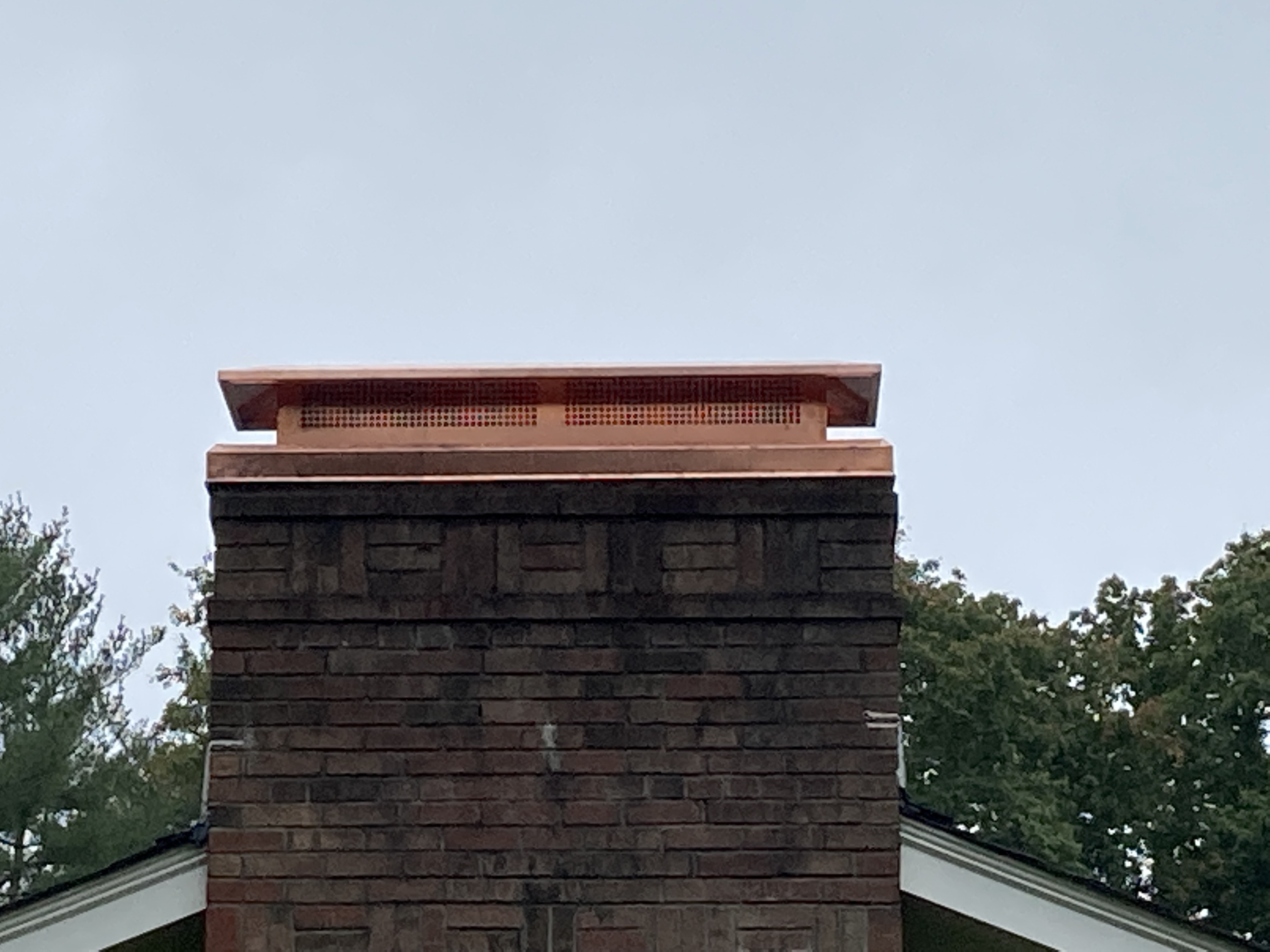
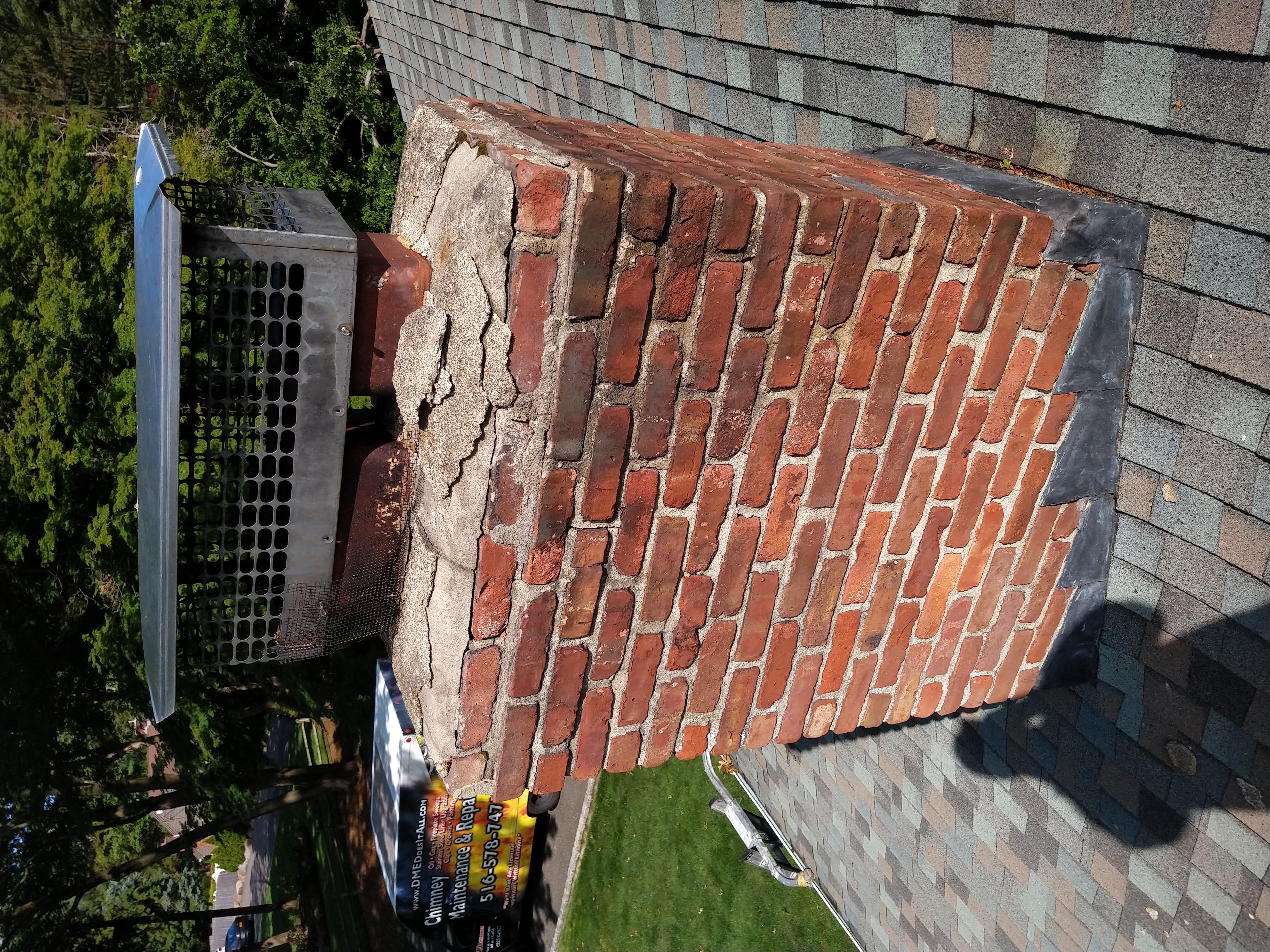
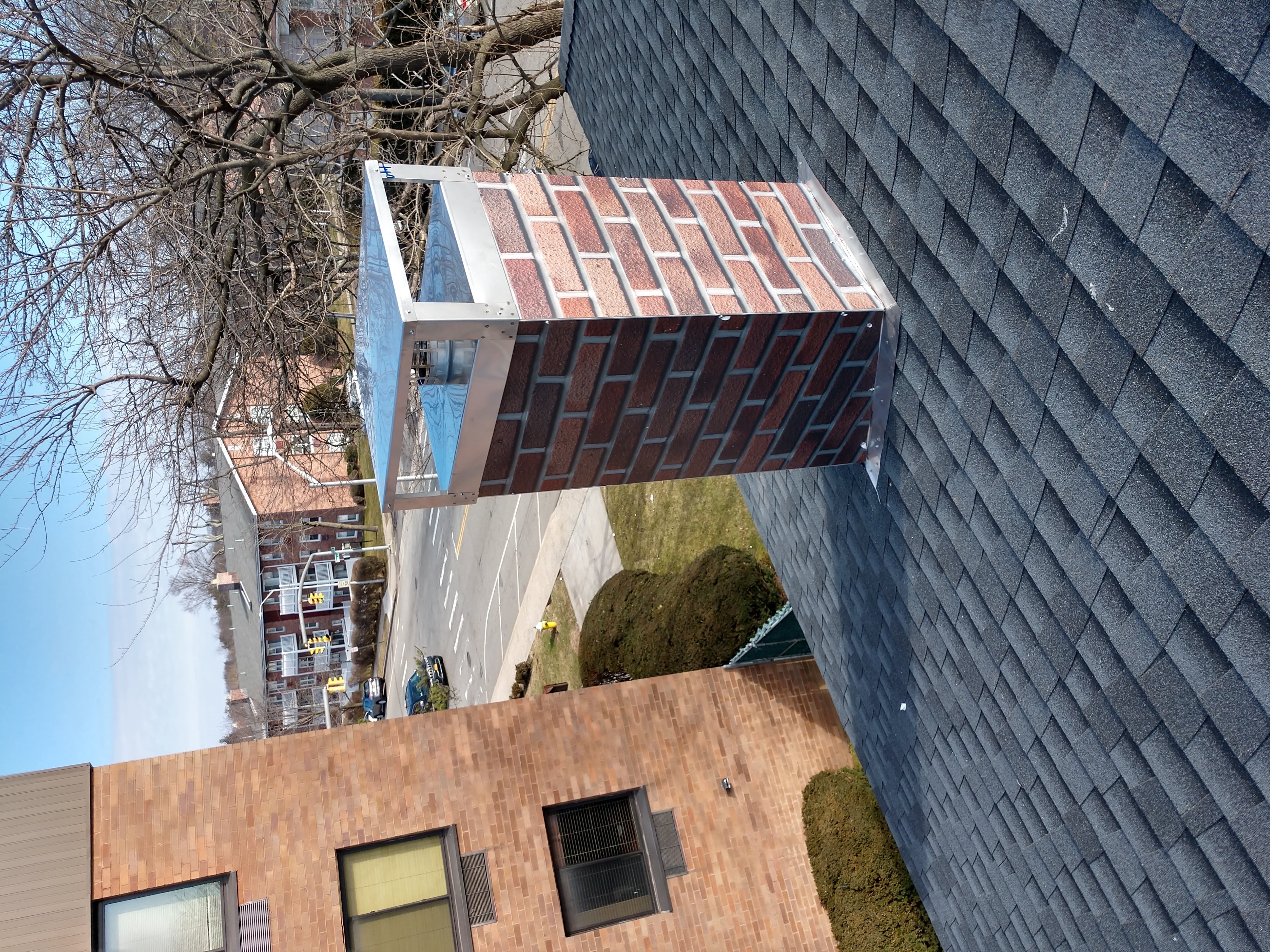
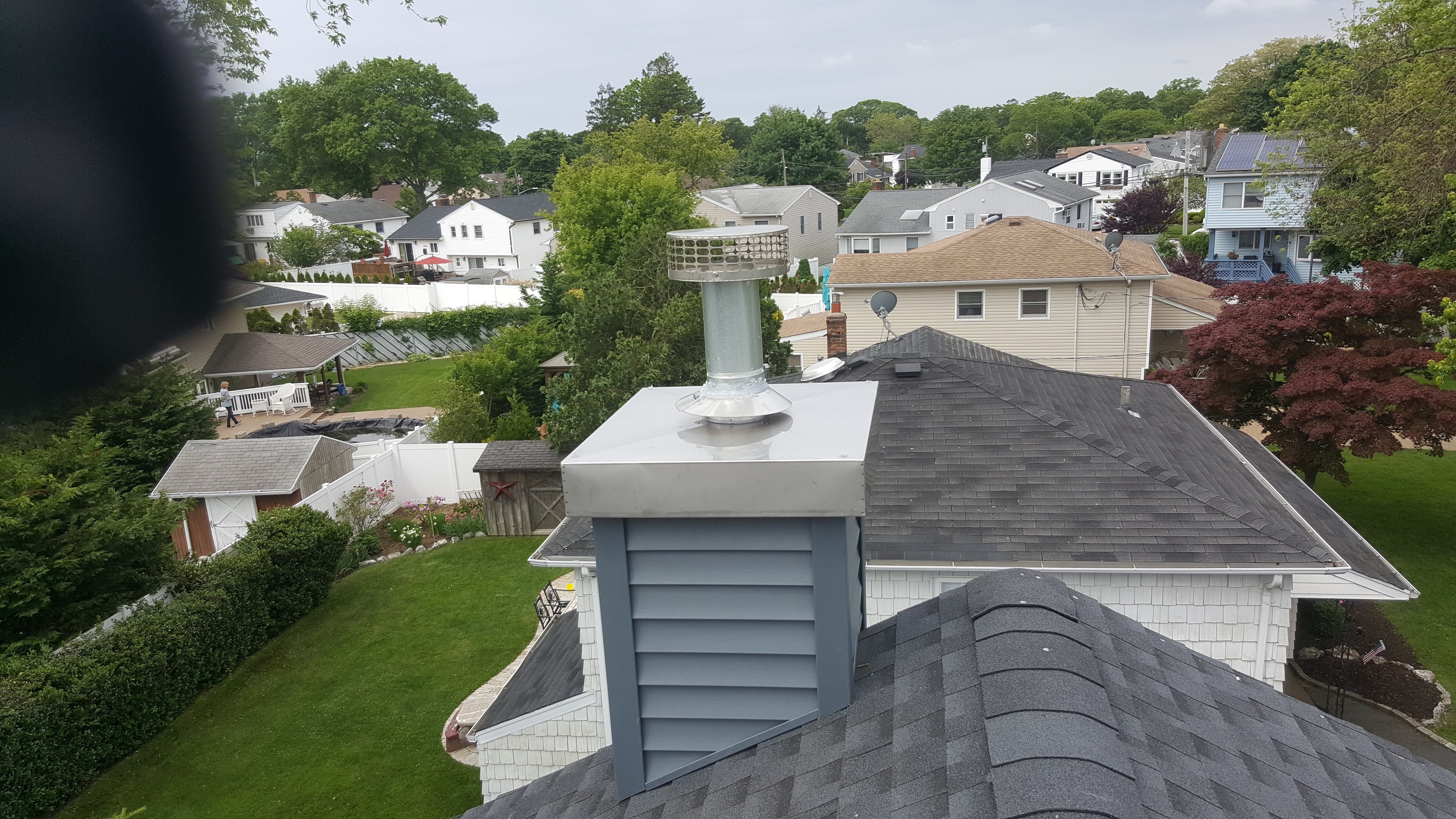
Sitting atop your chimney is a structure most homeowners never think about until something goes wrong. The chimney crown is the protective cap that covers the entire top of your chimney masonry. It surrounds the flue tile opening and slopes downward to shed water away from the center and toward the outer edges. Think of it as an umbrella for your entire chimney system. When the crown fails, water doesn't just sit there. It seeps into the flue, the masonry, and eventually into the interior walls and attic of your home. For residents of Farmingdale, understanding this component is especially important as the rainy season and winter approach.
Farmingdale homes, many built in the mid-twentieth century, were constructed with chimneys that have now weathered decades of freeze-thaw cycles and salt-laden moisture on Long Island. The typical Farmingdale homeowner relies on oil heating systems that depend on functioning chimneys for proper draft and safety. When a chimney crown cracks or deteriorates, the consequences ripple through your entire heating setup. Water entering the flue can corrode the interior walls and weaken the structural integrity of the whole system. It can also create draft issues, forcing your heating system to work harder. A compromised crown doesn't just threaten your chimney. It threatens the longevity of your heating investment and the safety of your home.
Cracked chimney crowns are among the most common issues we encounter in Farmingdale and surrounding areas on Long Island. These cracks rarely appear overnight. They develop gradually as freeze-thaw cycles expand and contract the concrete or mortar year after year. In our region, winter temperatures dip below freezing regularly, and spring thaws follow. Water seeps into tiny fissures, freezes, and expands with tremendous force. Each cycle pushes the crack wider. By the time a Farmingdale resident notices a problem, the damage is often advanced. You might see water staining on your attic insulation or notice a musty smell near the fireplace. By then, the crown has usually failed its most important job: keeping water out.
The period before winter arrives is the ideal window for crown repair. Waiting until December or January means working during harsh weather conditions. It also means your chimney has already endured autumn rains without proper protection. Homeowners in Farmingdale who address crown damage in fall avoid costly secondary damage to the flue lining, masonry, and interior structure. Water entry during the rainy season can saturate the masonry over months, weakening mortar joints and promoting rust inside the flue. A proactive approach now saves thousands in repairs later. At DME Maintenance, we recommend inspecting your crown before September ends. If you spot cracks, discoloration, or missing mortar, contact us right away.
Your chimney crown functions as the absolute first line of defense against precipitation. Every raindrop, every sleet storm, and every thaw event tests its integrity. On Long Island, where proximity to Long Island Sound means moisture-heavy air and salt spray can accelerate concrete deterioration, this protection matters even more. Homes in Farmingdale near water sources experience accelerated crown deterioration compared to inland properties. The concrete or mortar that caps your chimney can last decades if properly maintained and constructed. However, crowns built with inadequate slope, poor-quality mortar, or insufficient overhang fail faster. We've inspected hundreds of crowns in Farmingdale, and many show the telltale signs of water damage: white mineral deposits, surface spalling, and eroded mortar joints.
Water entry from a failed crown doesn't announce itself dramatically. It enters silently through hairline cracks and gradually saturates your chimney system. Inside the flue, it causes rust and deterioration. In the masonry, it dissolves mortar and promotes efflorescence, that white powdery deposit you might see on your chimney exterior. The water also migrates into the chase, the wooden or metal frame surrounding your chimney. Once it reaches the chase, it can rot framing members and eventually damage ceiling joists and attic structure. Farmingdale homeowners who address crown issues early prevent this cascade of damage. We've seen preventive repairs cost a fraction of what comprehensive water damage restoration demands. The math is clear: fix the crown before winter, or budget for major repairs next spring.
Beyond simple cracks, many crowns lack adequate overhang or slope. An overhang is the portion of the crown that extends beyond the chimney masonry edges. It should be at least two inches on all sides to deflect water away from the vertical walls below. Inadequate overhang allows water to run down the chimney exterior instead of falling clear. Poor slope means water pools near the flue tile instead of flowing outward. Both conditions are common in older homes on Long Island, including many properties in and around Farmingdale. We evaluate slope and overhang as part of every crown inspection. If your crown doesn't meet these standards, rebuilding is the right solution, not just patching.
Douglas covers all of Farmingdale and knows the neighborhood streets well. Long Island homes in Farmingdale vary considerably — from Cape Cods and split-levels built in the 1950s to more recent construction — and Douglas is experienced with every chimney configuration found in the area.
DME Maintenance has served residents of Farmingdale and Nassau County, NY since 2001. Our licensed technicians understand the specific challenges posed by our region's climate and the age of our housing stock. We inspect crowns thoroughly, document damage with photos, and explain our findings in plain language. We answer your questions and help you understand why crown repair matters for your home's health. Whether you need a partial repair or a complete rebuild, we approach your chimney with the care it deserves. Our owner, Douglas Eberling, brings two decades of experience to every project. We're committed to honest assessment and quality work that protects your investment.
If you own a home in Farmingdale or nearby on Long Island, don't wait until water damage forces your hand. The rainy season is approaching, and winter follows quickly. Schedule a crown inspection today by calling 516-690-7471. Let DME Maintenance assess your chimney and recommend the right solution for your specific situation. We're here to help you protect your home before the weather turns.